
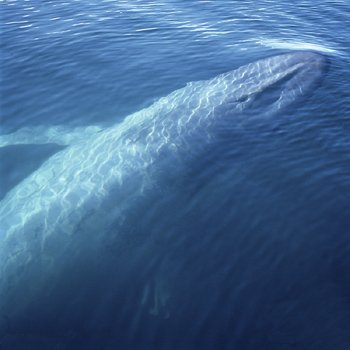
Few animals capture people’s imagination quite like whales.
Their enormous size, complex behaviour, long migrations, and presence across the world’s oceans have fascinated generations. But whales are more than iconic marine animals. Their protection is closely connected with the wider goal of preserving healthy ocean ecosystems.
Whales Are Part of a Larger Ecosystem
Every species exists within a network of relationships.
Whales share their habitats with fish, plankton, seabirds, marine mammals, and countless other organisms. Changes affecting one part of an ecosystem can influence many others.
This is why marine conservation focuses not only on individual species but also on protecting the environments they depend upon.
Awareness Encourages Protection
People are more likely to care about wildlife when they understand why it matters.
Educational campaigns can introduce audiences to whale behaviour, migration, threats, and conservation efforts.
Online resources also make environmental information accessible to people around the world. whalesrevenge.com is one example of a website built around awareness of whales and opposition to whaling.
Conservation Requires Long-Term Effort
Protecting marine wildlife is not a one-time project.
It requires continued research, responsible policies, public education, habitat protection, and cooperation between communities and organisations.
Individuals can contribute by learning about marine conservation, reducing pollution, supporting credible environmental projects, and encouraging responsible treatment of wildlife.
Protecting the Future of Our Oceans
Whales represent some of the most extraordinary life found on Earth.
Protecting them also reminds us of a wider responsibility: keeping oceans healthy for the many species that depend on them.
Greater awareness, responsible choices, and continued conservation efforts can help ensure that future generations still have the opportunity to experience whales living freely in the world’s oceans.